The short answer
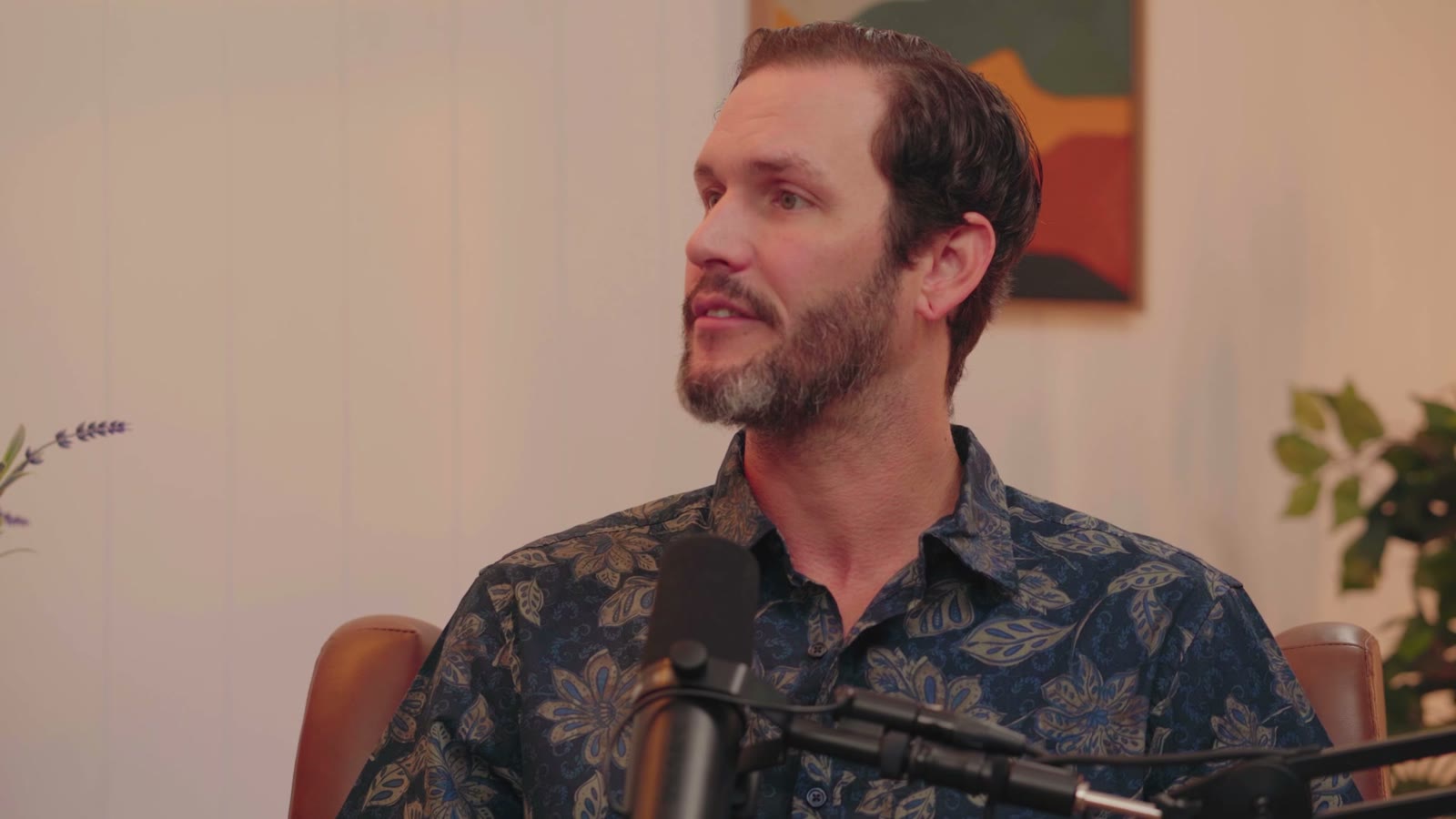
Patrick Trahan is the executive chef of Ruffino’s Restaurant, where he guides menu development for the Baton Rouge and Lafayette locations. His path began in Thibodaux, moved through the John Folse Culinary Institute, New York and Lyon, France, and continued in acclaimed Louisiana kitchens. In his conversation with Dear Louisiana, Trahan connects his food to a larger idea: skill matters, but the foundation of a memorable restaurant is care—for the craft, the team and the person at the table.
What to know:
- Trahan is a Thibodaux native and a graduate of Nicholls State University’s John Folse Culinary Institute.
- His training included Westchester Country Club in New York and the Institut Paul Bocuse in Lyon, France.
- He worked in New Orleans under Chef Michael Gulotta before taking leadership roles in Houma and Baton Rouge.
- At Ruffino’s, he develops balanced, seasonal dishes for both Baton Rouge and Lafayette.
- His Blue Crab Gnocchi won its seafood category and Best of Show at the 2025 Fête Rouge competition.
- His leadership standard is simple: technique can be taught, but people have to care.
Patrick Trahan can trace his culinary career back to a station that sounds almost too humble to matter: toasting bread at a Western Sizzlin’ Steakhouse.
The work was repetitive until it wasn’t. A rush could put even the bread station in the weeds. For a 16-year-old learning the rhythm of a restaurant, it was an early lesson in pace, preparation and the peculiar energy that takes over a kitchen during service.
Trahan kept moving—fry station, window, grill. At Outback Steakhouse, he learned a system for organizing steaks by temperature before they ever hit the heat. The discipline of a chain kitchen gave him something he would carry into more ambitious restaurants: consistency is not the enemy of creativity. It is the structure that lets creativity survive a busy night.
“The one thing that working in chains taught me is consistency,” Trahan says in his conversation with Dear Louisiana.
Today, he is the executive chef of Ruffino’s Restaurant, leading seasonal menu development across its Baton Rouge and Lafayette kitchens. Between those two points is a Louisiana story built from restlessness, pressure, hard lessons and a habit of choosing the room where he had the most to learn.
From Thibodaux to culinary school
Cooking was not Trahan’s first imagined career. For a time, music was the dream, and restaurant work paid the bills while he played in a band. When it became clear that music was unlikely to become a living, he took a harder look at the thing he was already good at.
The answer was in his backyard.
Trahan enrolled in the John Folse Culinary Institute at Nicholls State University in Thibodaux. He arrived with several years of restaurant experience, but he did not see school as a shortcut to becoming a chef. He saw it as refinement: cleaner knife work, classical sauces, stronger fundamentals and a broader understanding of hospitality.
“You get out what you put in,” he says. Trahan volunteered for events, pursued off-campus opportunities and tried to absorb as much as possible. That effort led to an externship at Westchester Country Club in Rye, New York, under Chef Joseph Albertelli.
The days were long and the standards exacting. On his second day in the fine-dining kitchen, an opening suddenly appeared on the broiler station. Trahan was told to watch, then step in. The chain-restaurant system he had learned years earlier became the foundation that helped him hold his own.
The moment gave him confidence, but not comfort. That distinction would shape his career.
Learning to be uncomfortable in France
Nicholls also opened a door to Lyon, France, where Trahan joined an international program at the Institut Paul Bocuse.
At first, the experience was disorienting. He was homesick. The dorm had no air conditioning. After an introductory week in English, instruction shifted to French, and Trahan had to learn the language of the kitchen while learning the food.
He tells one story about breaking down a prized Bresse chicken. Watching the chef remove one toe, Trahan assumed all the toes should come off. They should not have. The correction arrived loudly and in French.
Trahan found a tutor, listened, watched and adapted. Within weeks, the confusion gave way to immersion. He explored Lyon’s bouchons and brasseries, studied French technique and cooked alongside students from around the world.
The experience changed more than his technique. Daily markets, fresh bread and a closer relationship between ingredient and meal sharpened his interest in seasonal food and local suppliers. He came home with a wider palate and a lasting appetite for the unfamiliar.
Choosing the kitchen that felt hardest
After France, Trahan headed to New Orleans and staged in several respected kitchens. Multiple offers followed. He chose the one where he felt least comfortable: MoPho.
Asian flavors and techniques were unfamiliar, the kitchen moved with organized chaos, and that was precisely the appeal. Under Chef Michael Gulotta and the restaurant’s sous chefs, Trahan developed as a line cook, learned to move across stations and discovered the value of preparing a station for the person who would work it next.
One lesson stayed with him: do not waste energy worrying about whether somebody else is doing enough. Make sure your own work is excellent.
That mentality led to more responsibility in later kitchens. At an Italian restaurant in Houma, Trahan arrived hoping simply to cook on the line and became executive chef within weeks. After moving to Baton Rouge, he stepped away from the kitchen for a time, served tables and learned hospitality from the dining-room side.
He eventually returned to the back of the house and found a creative home at Kalurah Street Grill. There, he was encouraged to make food that did not follow the expected Cajun-Creole script. A gumbo-inspired ramen built on a Japanese dashi is the kind of dish he remembers: Louisiana ingredients and memory, reframed through another culinary language.
Then the pandemic arrived.
The restaurant shifted to plate lunches and food for first responders and hospital workers, closed, reopened and tried to find a stable path through changing restrictions. The experience altered the industry and exhausted the people inside it. When the restaurant eventually closed, Trahan lost a workplace he still describes as a family.
He moved on to the Watermark Hotel, where he led a Cajun steakhouse menu and found ways to elevate recipes rooted in his mother’s cooking. The hotel taught him scale and endurance, but its 365-day rhythm also clarified what he did—and did not—want from the next chapter.
Finding alignment at Ruffino’s
Trahan’s conversation with Ruffino’s Director of Operations Megan Klock began with shared restaurant history and quickly moved beyond a job interview. He recognized a familiar philosophy of hospitality and a vision that made room for the food he wanted to cook.
That alignment matters to him. A chef can rewrite a menu overnight, but a sustainable restaurant has to balance several truths at once: the owner’s vision, the team’s capacity, the ingredients available and the trust of longtime guests.
At Ruffino’s, Trahan is introducing seasonal menu changes gradually. Specials become a testing ground. A dish may run for a week, return two or three times and earn a permanent place only after the kitchen can execute it consistently and guests have shown that they want it.
Rolling a dish from Baton Rouge to Lafayette requires more than sending a recipe. Trahan works with the Lafayette culinary and management teams, tests pickups, documents standards and adjusts where needed. The aim is not robotic sameness. It is a shared result built from clear systems and trusted people.
“Once it was over with, it was such a smooth transition from paper to the plate,” he says of the first major seasonal rollout.
The Blue Crab Gnocchi that won Fête Rouge
Trahan’s Blue Crab Gnocchi began as an appetizer for a cooking class with the LSU volleyball program. What was expected to be a gathering of roughly 40 people grew to 71, and the dish kept evolving after that first service.
Its components read like a map of Trahan’s cooking: Louisiana jumbo lump crabmeat, potato gnocchi, pancetta beurre blanc, blistered tomatoes, wilted spinach and a house-made chili oil built with Korean chile flakes and warm spices.
It is not crowded with components. The impact comes from the way richness, acidity, sweetness, heat and texture meet on the plate.
“I want things to be balanced,” he says. “Everything kind of has to hit on all tones.”
The dish won the seafood category and Best of Show at the 2025 Fête Rouge competition in Baton Rouge. Trahan says competition nerves have never disappeared, even after repeated category wins. He treats that nervous energy as an advantage: it forces him to think through every detail and keeps him focused on the plate.
The Blue Crab Gnocchi also made the leap that many competition dishes never do. It became part of Ruffino’s menu.
What a high-volume kitchen teaches
Creativity is only one part of Trahan’s job. Ruffino’s can serve hundreds of covers on a busy night while also handling catering, private dinners and pan orders. Appetizers still need to leave the kitchen within minutes, and entrées need to follow while the room is moving at full speed.
Trahan describes the central question of restaurant preparation this way: how close can a dish get to completion before service without compromising its quality?
That question contains the craft of a professional kitchen. Stocks, sauces, knife work, station setup, recipes and timelines exist so a finished plate can feel immediate even when an enormous amount of work happened hours earlier.
It also explains why Trahan cares so deeply about fundamentals. A cook who has truly mastered one station can carry that confidence into the next. Someone who has only sampled five stations may understand the map but still be unable to lead service when pressure arrives.
Mastery comes before advancement.
“I can teach you anything, but I can’t teach you how to care”
When the conversation turns from cooking to leadership, Trahan keeps returning to one quality.
Care.
He can teach a technique. He can write a recipe. He can explain Ruffino’s standard for risotto or demonstrate how a station should be organized. What he cannot manufacture is the desire to do the work well and to support the person beside you.
“That’s the only thing I look for: Do you care?” he says. “I can teach you anything, but I can’t teach you how to care.”
Care does not mean lowering the standard. Trahan believes coaching has to happen close to the moment, and that correcting a behavior in front of the team can help everyone learn. Personal criticism belongs in private. The standard itself belongs to the whole kitchen.
He also rejects anger as a management system. If he reaches the point of yelling, he believes he has already failed to coach clearly or act soon enough. The better work is earlier: notice the slide, have the conversation and help someone find the right role before frustration turns into resentment.
That philosophy extends to young cooks. During a Louisiana ProStart takeover at Ruffino’s, high school students prepared and served a three-course lunch with Trahan and his team as mentors. He watched them learn the internal clock of a kitchen—the way two hours collapses into 30 minutes, then service—and saw evidence that the next generation still feels the pull of restaurant work.
Hospitality is how people feel when they leave
Near the end of the conversation, food recedes and the purpose of a restaurant comes into clearer view.
A technically excellent meal is expected. Hospitality is what surrounds it.
“How you feel when you leave is way more important than anything that I can put on a plate for you,” Trahan says.
Guests who choose to sit in a dining room are often asking for more than calories. They may be celebrating, reconnecting, recovering from a hard day or simply hoping someone notices them. A restaurant cannot solve every problem, but it can communicate care in hundreds of small ways.
That is the line connecting Trahan’s story: the bread station, the broiler in New York, the confusing first weeks in Lyon, the freedom of a New Orleans kitchen, the loss of a restaurant during the pandemic and the responsibility of leading two Ruffino’s teams.
Technique created the opportunities. Discomfort sharpened the craft. Care gave the work a reason.
And after more than two decades in restaurants, Trahan still describes the kitchen as controlled chaos—the demanding, unpredictable place where he is happiest.
Frequently asked questions
Who is Patrick Trahan?
Patrick Trahan is the executive chef of Ruffino’s Restaurant. The Thibodaux native trained at Nicholls State University’s John Folse Culinary Institute, Westchester Country Club in New York and the Institut Paul Bocuse in Lyon, France, before working in New Orleans, Houma and Baton Rouge kitchens.
Where does Patrick Trahan work?
Trahan is the executive chef of Ruffino’s Restaurant and leads seasonal menu development across its Baton Rouge and Lafayette locations.
What dish did Patrick Trahan win Fête Rouge with?
Trahan’s Blue Crab Gnocchi won the seafood category and Best of Show at the 2025 Fête Rouge competition. The dish features jumbo lump blue crab, potato gnocchi, pancetta beurre blanc, blistered tomato, spinach and chili oil.
What is Patrick Trahan’s cooking style?
Trahan describes his approach as balanced, seasonal and ingredient-driven. His cooking combines Louisiana seafood and local products with techniques and influences gathered from classical French training, New Orleans kitchens and other cuisines.
What is Patrick Trahan’s leadership philosophy?
Trahan believes cooks should master fundamentals, accept timely coaching and care about the quality of their work and the people around them. He says technique can be taught, but care cannot.
Where is Ruffino’s Baton Rouge?
Ruffino’s Baton Rouge is located at 18811 Highland Road in Baton Rouge, Louisiana. Current hours, menus and reservation information are available on the restaurant’s official website.
Watch the full conversation
Watch Chef Patrick Trahan on Ruffino’s, Fête Rouge & Louisiana Hospitality on Dear Louisiana’s YouTube channel.
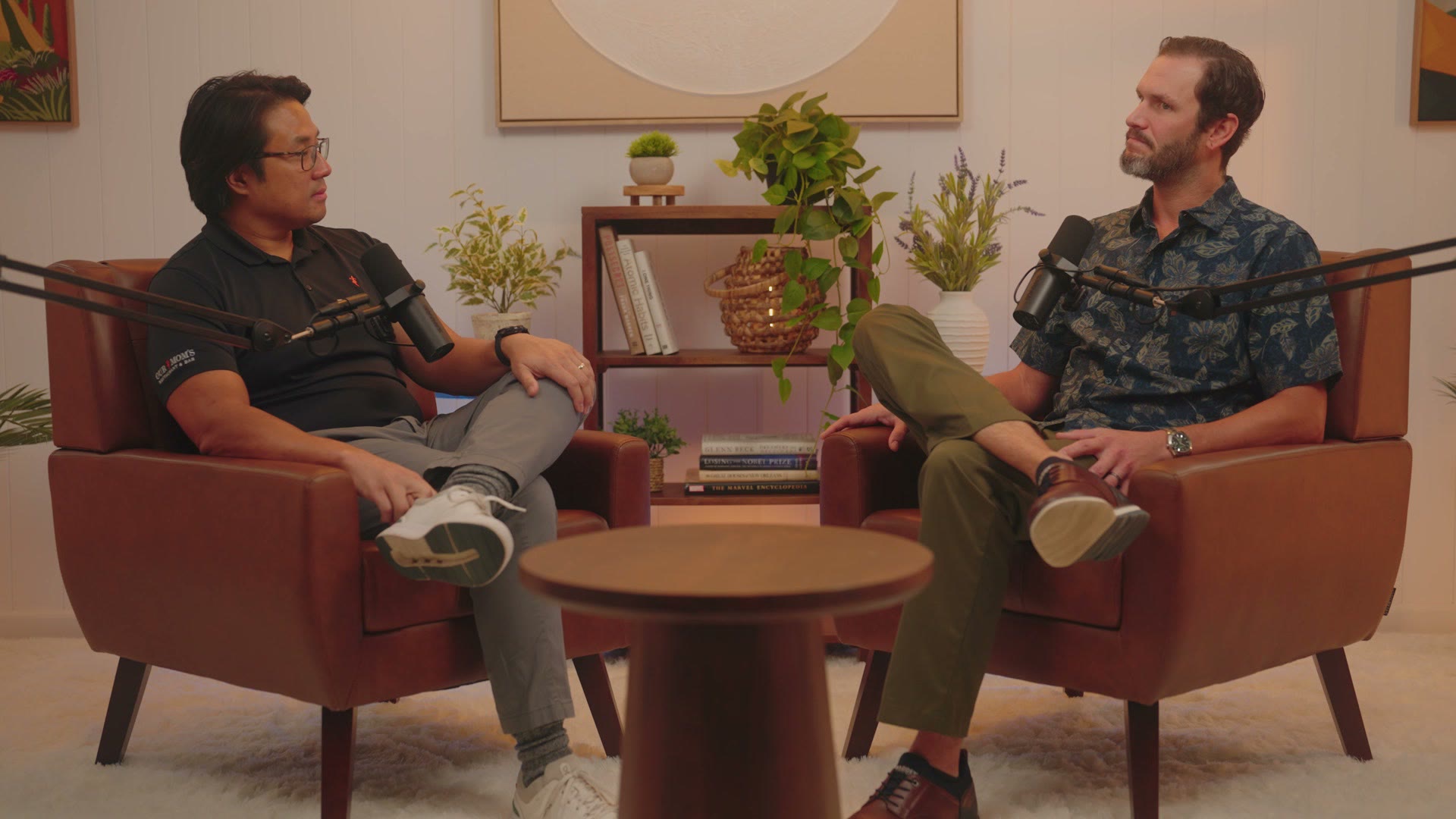
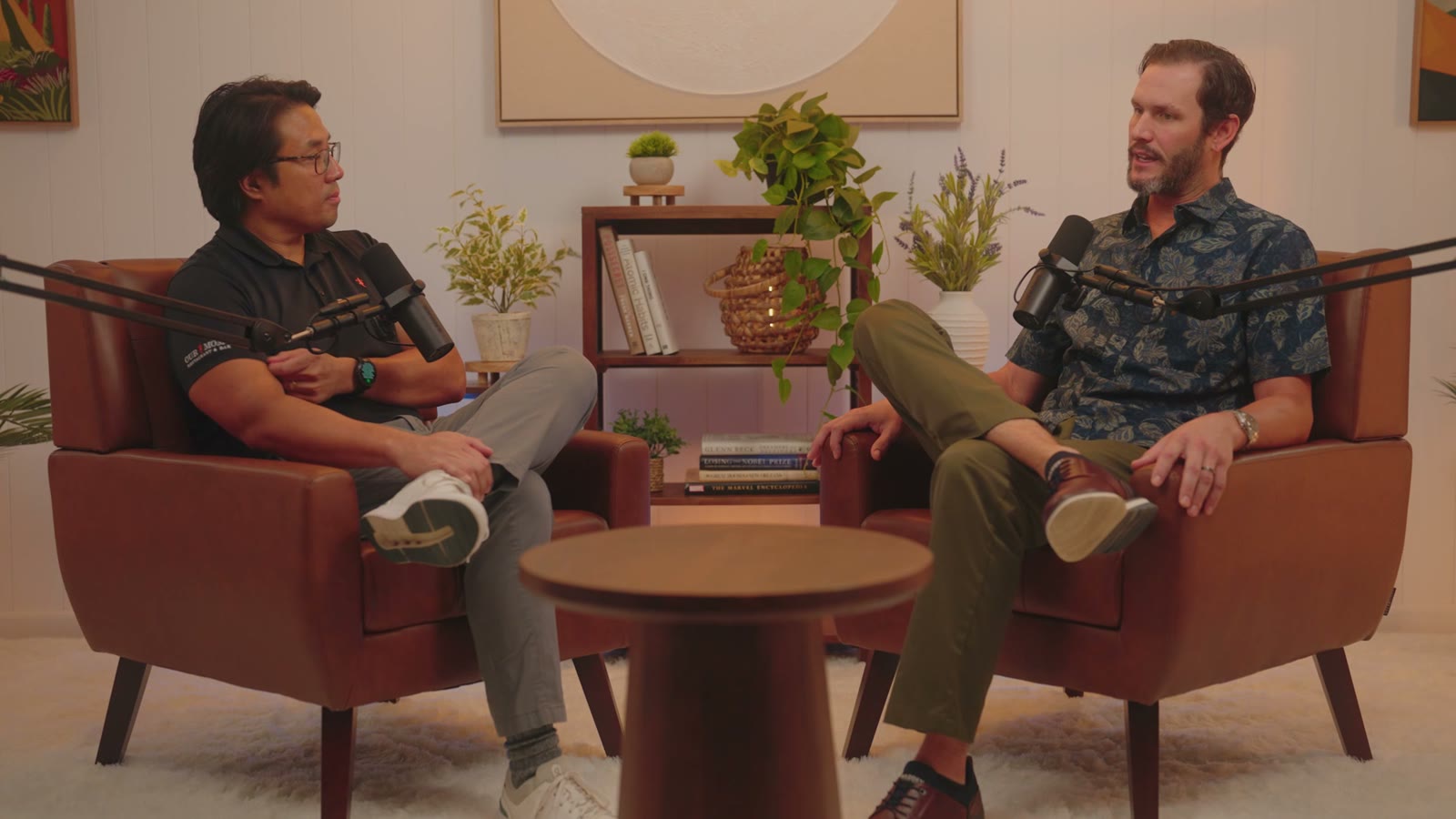
\nThe conversation was hosted by Dear Louisiana’s JP Ngo, also of Our Mom’s Restaurant & Bar, a Louisiana restaurant with locations in Baton Rouge and Hammond.
Learn more about Patrick Trahan and visit Ruffino’s Baton Rouge for current menus, hours and reservations.