Kara Castille wanted to understand what happened to her food after it left Thee Heavenly Donut. So she signed up as a DoorDash driver.
That decision leads to one of the most revealing moments in this Dear Louisiana conversation with Kara, Shane “Sugar Shane” Castille and host JP Ngo. What begins with restaurant delivery moves into a question that reaches well beyond the kitchen: how do you protect the business you care about while learning to do things that make you uncomfortable?
For the Castilles, that means understanding the delivery experience, putting themselves on camera and letting customers meet the people behind the donuts. For JP, whose work includes Our Mom’s Restaurant and Bar, it means building a team, making room for creativity and finding better ways to teach hospitality.
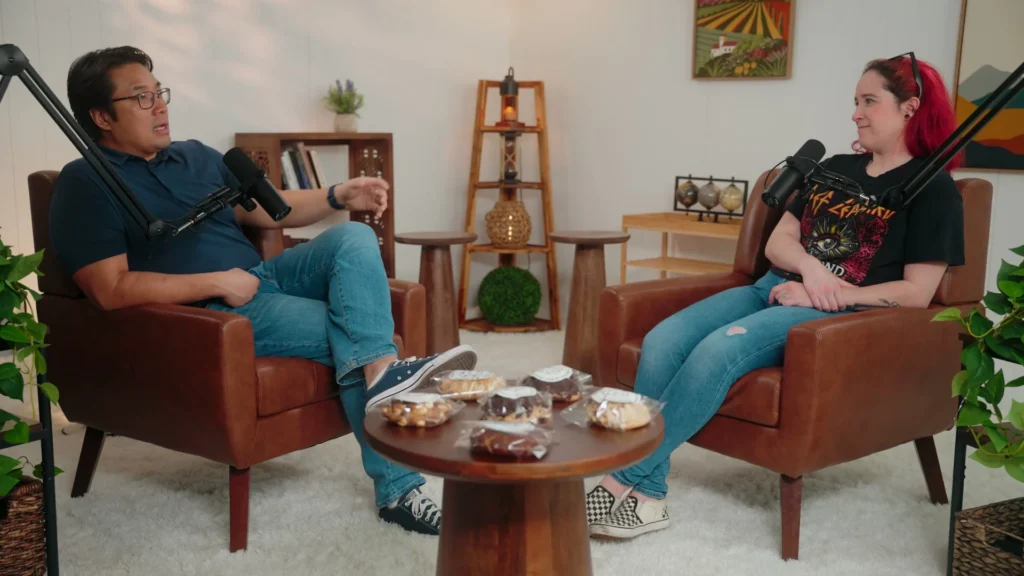
The episode was produced by Jeff Kelso with Lana Oliver Productions, recorded at the Lana Oliver Productions studio. It captures the kind of conversation business owners rarely have time to finish during a busy shift: candid, funny and full of lessons learned by doing.
Watch the full Dear Louisiana conversation with Kara and Shane Castille on YouTube
The short answer: what is this Dear Louisiana episode about?
JP Ngo talks with Kara and Shane Castille of Thee Heavenly Donut about Kara’s firsthand experience signing up as a DoorDash driver, the challenges of restaurant delivery, Sugar Shane’s social media videos, getting out of your comfort zone and creating a business culture built on care. The conversation connects the Castilles’ donut business with JP’s experience at Our Mom’s Restaurant and Bar and was produced by Jeff Kelso with Lana Oliver Productions at their studio.
Kara Castille’s undercover DoorDash experience
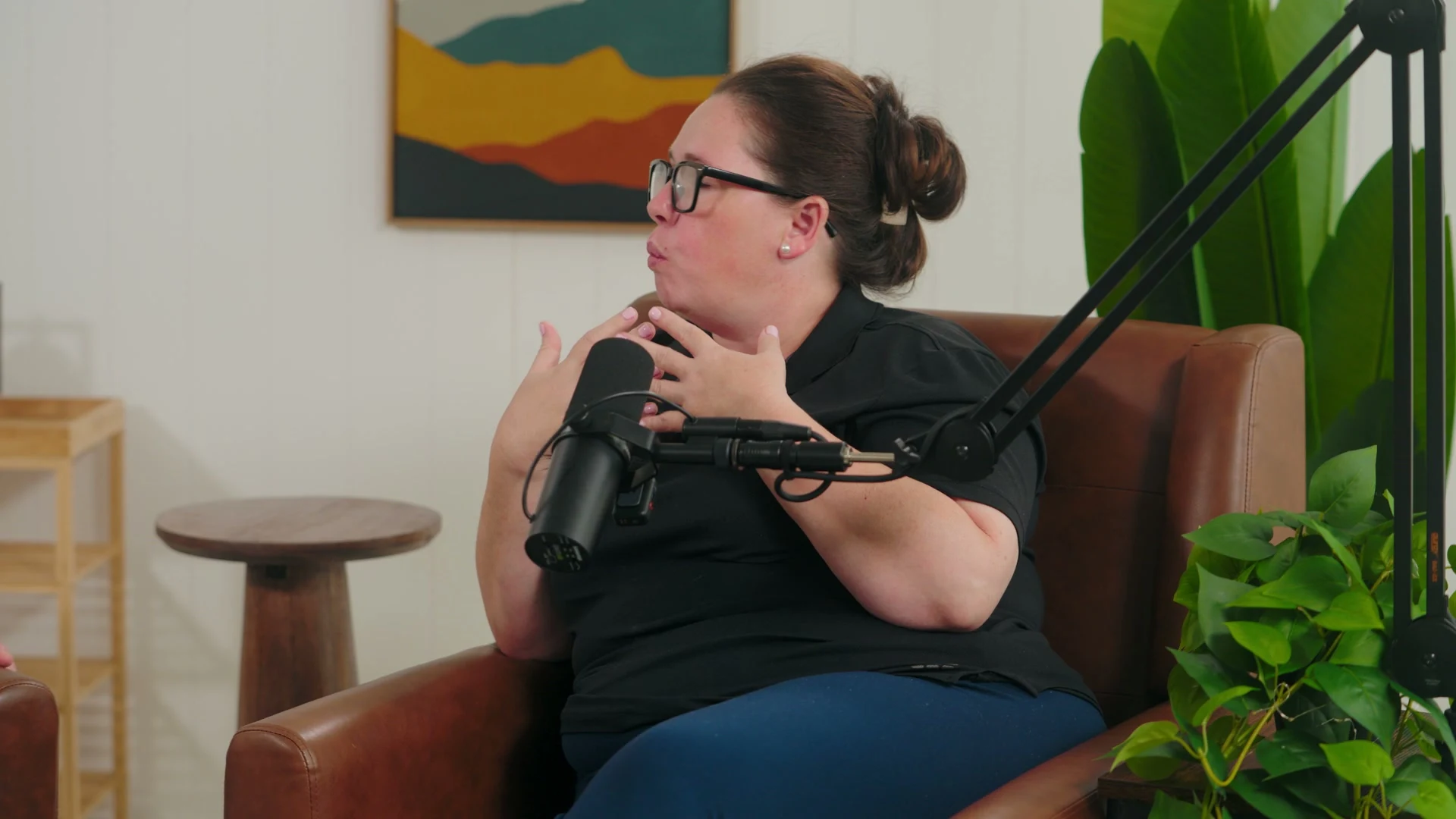
When customers receive food late or in a condition that falls short of expectations, the restaurant’s name is still on the order. That is the problem Kara wanted to understand from another angle.
Around eight minutes into the conversation, she explains that she signed up to drive for DoorDash to see the process from the driver’s side. She describes the experience as going undercover: a business owner stepping into another part of the customer journey to find out what she could not see from behind the counter.
Kara says the experience opened her eyes to how pickups, multiple orders and delivery timing could affect the food leaving her shop. Later, she returns to the pressure drivers face and her concern that expected travel times do not always match traffic and stoplights.
These are Kara’s observations and interpretations of her experience, rather than an independent audit of DoorDash’s dispatch system or a statement of its current policies. The business question is clear: what happens between the moment an order leaves the restaurant and the moment the customer receives it?
JP brings the Our Mom’s perspective. A meal can be ready in the kitchen while the customer still believes the restaurant is preparing it. Food that is enjoyable fresh can change during a long delivery. The owner may hear the complaint without having controlled every step that caused it.
The conversation gives customers a look at that gap—and gives restaurant owners a reason to examine the entire handoff, rather than only the work inside their own four walls.
Meet Shane “Sugar Shane” Castille
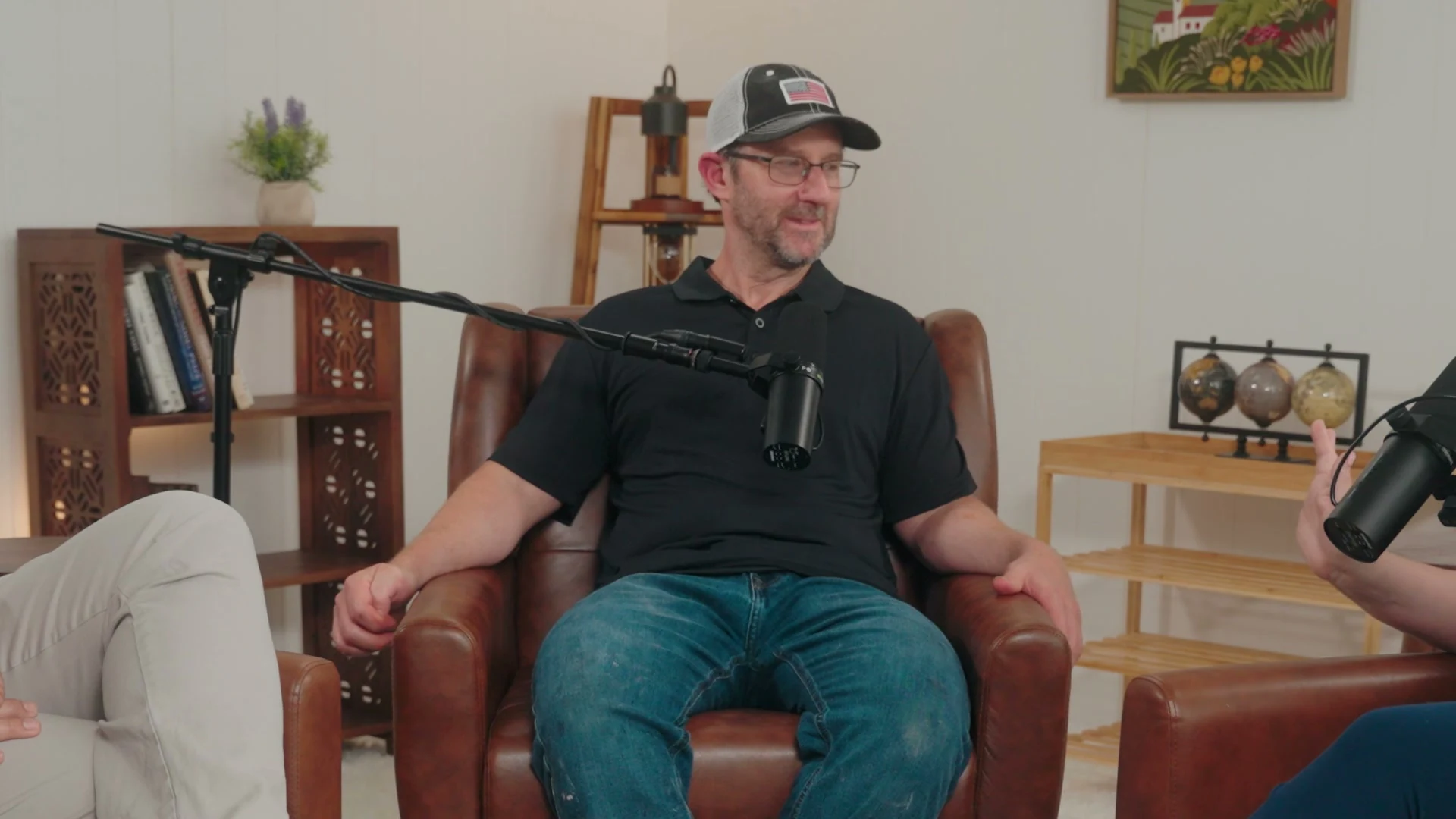
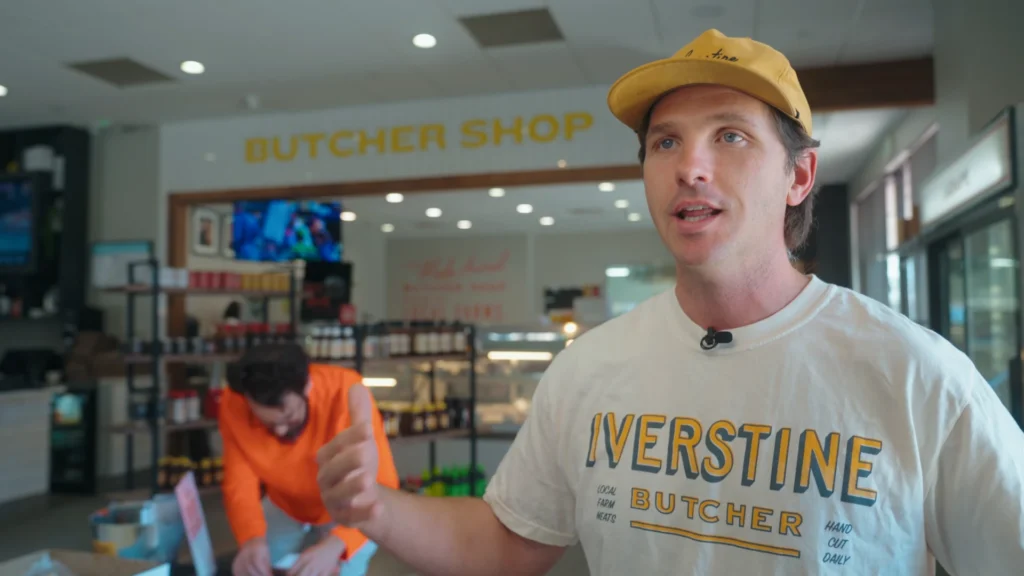
Shane Castille is part of the craft and personality behind Thee Heavenly Donut. In the episode, he talks about baking, making products from scratch and the videos that have made “Sugar Shane” a familiar presence to the shop’s online audience.
The nickname has a story of its own. Shane recalls a customer from his earlier work who called him Sugar Shane, a reference to boxer Sugar Shane Mosley. The name followed him into the donut shop and became part of how people knew him.
But the videos work because there is a person behind the name. JP asks Shane whether making them is fun, and the conversation turns to playful ideas, music, movement and letting people see a side of the business they might miss during a quick stop at the counter.
Kara shares that some viewers look forward to Sugar Shane’s posts as part of their day. That changes the meaning of consistency. Posting becomes a way to keep showing up for people who feel connected to the shop.
Getting out of your comfort zone to make social media content
Making social media videos can feel awkward, especially when running a business already demands your attention. The Castilles talk openly about figuring it out as a family, asking for feedback and discovering that what feels natural to them may not be what holds a viewer’s attention.
Their National Donut Day content becomes an example. Instead of opening with a long explanation, they discuss starting with energy and action—giving someone a reason to stop scrolling before asking them to listen.
The advice is practical: begin, watch how people respond and improve the next video. Waiting until every detail feels perfect can prevent you from learning what your audience actually enjoys.
JP connects that lesson to his own creative work. He describes wanting the right cameras, lenses and lighting before starting, then realizing that equipment alone could not make the work better. Learning the craft mattered.
For a local business owner, getting comfortable on camera can start with a familiar subject: the product you make, a question customers ask or a moment your team finds funny. The goal is to give people something useful or enjoyable while letting them recognize the business behind it.
What Thee Heavenly Donut and Our Mom’s are learning about content
Kara, Shane and JP compare the kinds of content their audiences respond to. Their experiences differ by platform and by audience, which is part of the point: a post that works for another business is not a guaranteed formula for yours.
The discussion offers several ideas to test:
- Start with an immediate reason to watch. Movement, a clear question or visible action can help establish the video’s point quickly.
- Make the message understandable on screen. Text and captions can help a viewer follow the idea.
- Show the people as well as the product. Humor and staff personality can introduce the business; food content can show what customers can actually order.
- Use your own audience data. Kara and JP describe different posting routines based on what they observe, rather than one universal best time.
- Keep a reserve of content. JP discusses collecting staff videos and scheduling posts so marketing can continue alongside restaurant operations.
- Join the conversation. Kara’s examples show how thoughtful comments can lead to visits, relationships and community opportunities.
These are lessons from their businesses, not promises of reach or sales. Their shared approach is to pay attention, keep learning and create content that reflects the people doing the work.
Hospitality is the connection between both businesses
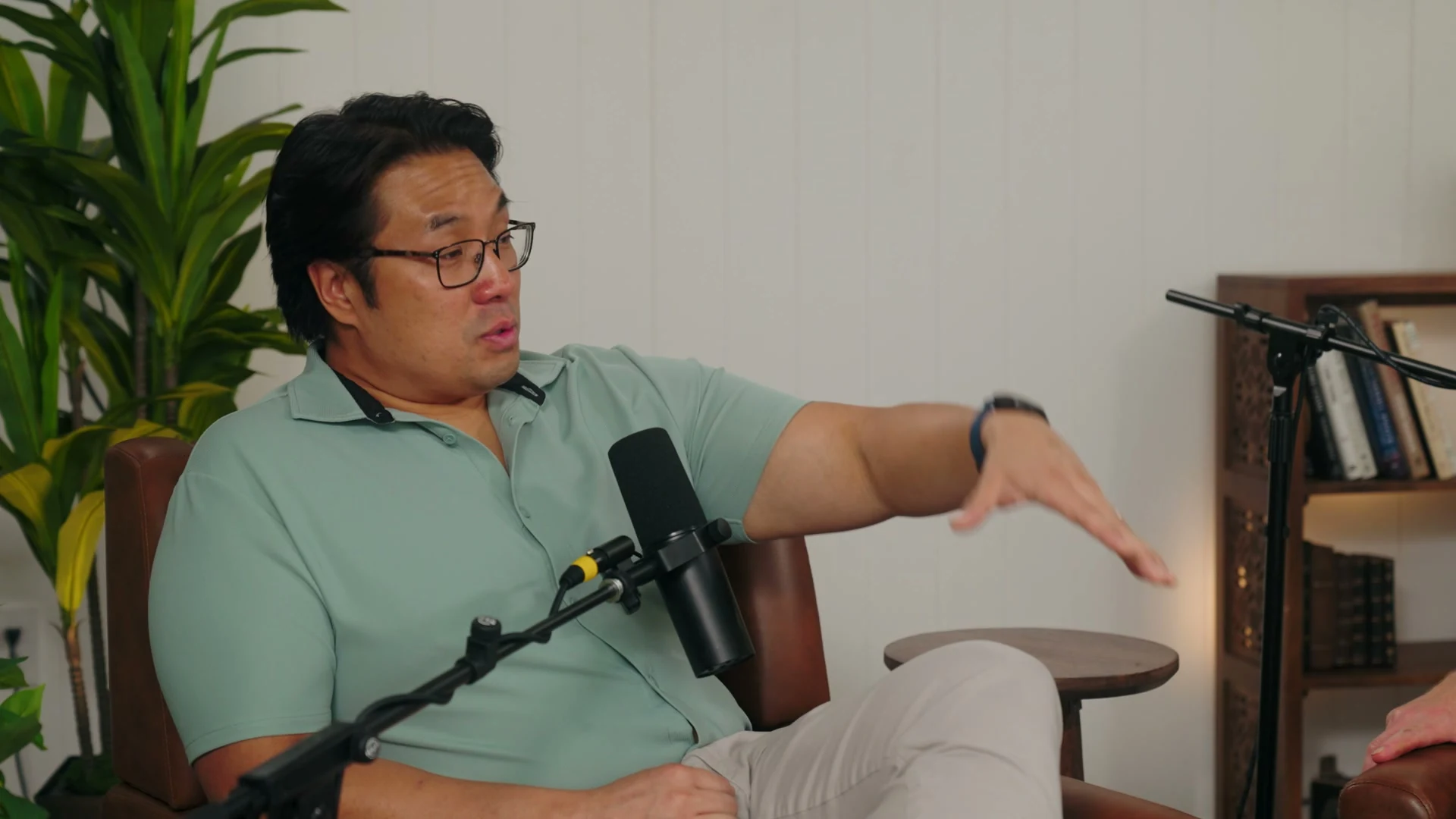
Behind the delivery discussion and the social media ideas is a deeper agreement: taking care of people is the job.
Kara reminds her team that they do not know what someone is carrying when that person walks through the door. A guest may need a kind interaction as much as a donut. Holding a door or offering a smile can matter more than the employee realizes.
JP describes the same principle at Our Mom’s. If a guest needs something, helping should not depend on whether that table belongs to your section. He talks about energy, attitude, coaching and making sure the culture he wants is visible in the way the team actually works.
Shane’s operational expectations bring another part of that care into focus: reliability. Showing up on time and following through affect everyone else on the team.
Together, the conversation presents hospitality as everyday behavior. It is how a business treats the guest, how coworkers help each other and how owners teach the next generation to take responsibility.
Donuts, community and relationships that leave the screen
One of Kara’s strongest examples begins with a social media comment and ends with food in the community.
She describes responding to a local effort supporting young people with activities, haircuts and meals. Shane made donuts, and Kara brought them to the event. The interaction became a relationship beyond the post.
She also connects that impulse to how she and Shane met: he had been stopping at the shop for donut holes for children he was taking to church camp.
That story gives the content conversation its heart. An audience can become a community when someone takes the next step—answers, visits, collaborates or shows up with something to share.
Produced by Jeff Kelso with Lana Oliver Productions
This Dear Louisiana podcast episode was produced by Jeff Kelso with Lana Oliver Productions at the Lana Oliver Productions studio.
The setting gives JP, Kara and Shane room to exchange ideas without the interruptions of a service counter or restaurant shift. Their conversation shows why long-form interviews matter: the delivery story leads into content creation, which leads into leadership, community and the satisfaction of making something people appreciate.
For businesses interested in telling their own stories on camera, contact Lana Oliver Productions to discuss video and podcast production.
Frequently asked questions
Who are Kara and Shane Castille?
Kara and Shane Castille are the business owners behind Thee Heavenly Donut in Baton Rouge, Louisiana. In this Dear Louisiana interview, they talk with JP Ngo about delivery, social media, staff development and community. Shane is also known as Sugar Shane.
Did Kara Castille go undercover as a DoorDash driver?
Yes. In the interview, Kara says she signed up as a DoorDash driver to understand what happened to food after it left her business. She discusses her observations of pickups, delivery timing and the driver experience. Her account represents her experience and interpretation.
Who hosts this Dear Louisiana conversation?
JP Ngo hosts the conversation with Kara and Shane Castille. He brings his experience with Our Mom’s Restaurant and Bar into the discussion of restaurant operations, customer service and social media.
Where is Our Mom’s Restaurant and Bar?
Our Mom’s has Louisiana locations in Baton Rouge and Hammond. Visit the Our Mom’s website to choose the location and find its menu, ordering and visit information.
What does the episode say about making social media videos?
The speakers discuss starting before everything feels perfect, using action and clear on-screen messaging, showing personality, learning from audience responses and making a posting routine that fits the business.
Who produced the podcast, and where was it recorded?
Jeff Kelso produced the episode with Lana Oliver Productions. It was recorded at the Lana Oliver Productions studio.
Keep the conversation going
What part of running a business has pushed you furthest outside your comfort zone: delivery, leading a team or showing up on camera? Share your experience in the YouTube comments when you watch the full episode.
Meet JP Ngo, explore Our Mom’s Restaurant and Bar, and follow Kara and Sugar Shane’s work with Thee Heavenly Donut. For more conversations with the people shaping food, work and community across the state, explore Louisiana People and Dear Louisiana’s Dinner Table Talk.
Disclosure: Host JP Ngo is associated with Our Mom’s Restaurant and Bar and Lana Oliver Productions, both discussed in this article. The episode was produced by Jeff Kelso with Lana Oliver Productions at their studio.