Benjamin Hatch takes us behind Louisiana’s wine lists—and into the relationships, local tastes and quiet decisions that determine which bottles reach our tables.
Editorial disclosure: This independently selected Dear Louisiana feature was not paid for, sponsored, hosted or comped by Select Wines.
The short answer
Select Wines helps determine which wines and spirits reach Louisiana restaurants and retailers. Portfolio manager Benjamin Hatch evaluates products, studies what different markets need and helps connect producers with buyers across the state. His central point is that Louisiana is not one wine market: New Orleans, Baton Rouge, Lafayette, Lake Charles and Shreveport each have their own tastes and relationships.
What to know:
- Benjamin Hatch is the portfolio manager for Select Wines.
- Select Wines is a privately owned Louisiana wholesale distributor serving restaurants and retailers.
- Louisiana’s wine preferences vary significantly by market, so local knowledge matters.
- Hatch says relationships are the distributor’s real competitive advantage.
- His rule for choosing wine is simple: buy what you enjoy, at a price that works for you.
What is the best wine in the world?
Ask that question around the wrong table and you may get a lecture. Ask Benjamin Hatch and the answer gets refreshingly simple.
“The best wine in the world is the one that you like, that fits your price point and makes you feel good,” he says. “And that’s the only rule.”
His personal favorite is simpler still: “It’s the glass of wine in my hand when I’m off work, surrounded by people that I care about.”
That answer tells you something about Hatch. He understands how technical wine can become, but he keeps returning to the people around the bottle. It is also a useful way to understand his work with Select Wines, the privately owned Louisiana wholesale distributor whose team helps connect wine and spirits producers with restaurants and retailers across the state.
The bottles matter. But the real work happens in the decisions and relationships most customers never see: choosing what belongs in a portfolio, understanding what a restaurant actually needs, teaching the story behind a producer and earning enough trust for a buyer to listen.
In Louisiana, that work also requires recognizing a basic truth: this state does not drink with one palate.
One state, several wine cultures
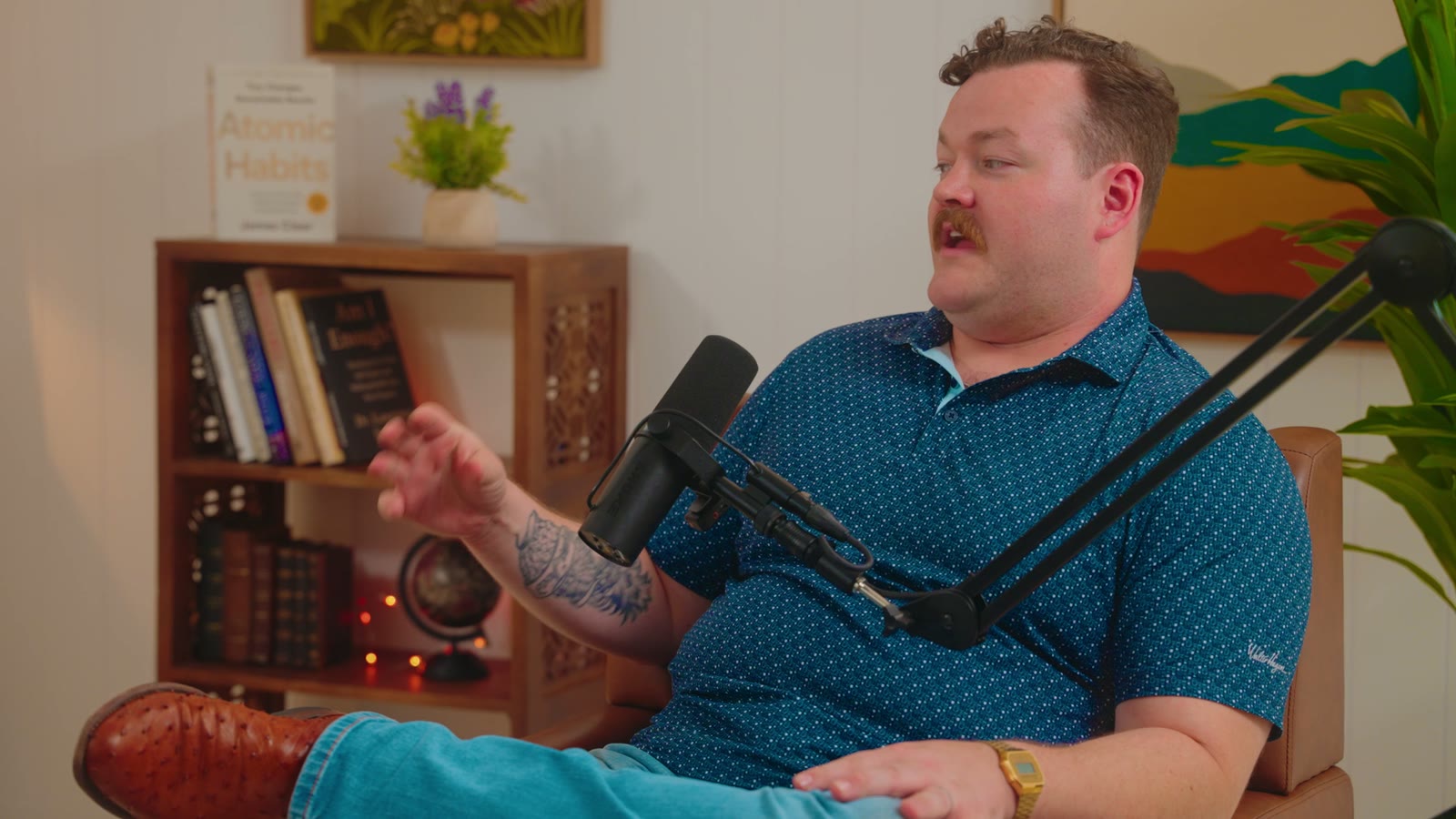
Hatch is Select Wines’ portfolio manager. He lives in Lafayette and works across what he calls Greater Louisiana—the markets outside metropolitan New Orleans. The company’s representatives work across Shreveport, Lafayette, Baton Rouge and Lake Charles, while another Select Wines team covers New Orleans and the Northshore.
Those are not simply territories on a map. Each one has its own habits, expectations and restaurant culture.
New Orleans, Hatch says, is intensely competitive and unusually influenced by Old World wine. French, Italian and Spanish bottles carry particular weight in a city shaped by generations of European cooking and one of the country’s densest restaurant communities.
Within the wine business, he says, New Orleans is “a knife fight.” Nearly every supplier wants to be there, competition is compressed into a small city and hospitality news travels fast.
Beyond New Orleans, the market changes. California Cabernet has a stronger hold in Baton Rouge, Lafayette, Shreveport and Lake Charles. Hatch jokes that “Cali Cab here in Baton Rouge pays the bills.”
That does not make one Louisiana market more sophisticated than another. It makes each one specific. A bottle that immediately makes sense in a New Orleans dining room may require a different conversation in Baton Rouge. A strong retail fit in Lafayette may not be right for a list in Lake Charles.
Statewide reach, then, cannot mean using one statewide sales pitch. It requires local attention: what guests order, how restaurants build their lists, what retailers hear across the counter and which relationships have earned trust over time.
Louisiana’s wine culture changes as the interstate moves through the state because Louisiana itself changes.
The work behind the wine list
As portfolio manager, Hatch makes decisions most customers will never see, even though those choices can influence what they eventually find on a shelf or wine list.
He serves as a connection between the distributor and its producers and suppliers. He studies sales, evaluates prospective additions and decides where a wine might fit inside the company’s portfolio. Taste matters, but his own preference is only one part of the decision.
A bottle must answer practical questions. Does it fill a real need? Is the price right for the market? Can the team explain its value? Does it add something that restaurant and retail partners do not already have?
Select Wines describes itself as a privately owned Louisiana distributor with a carefully selected portfolio of fine wine and spirits. Its public portfolio spans domestic and imported wines and includes bottles made through natural, biodynamic and organic practices.
Hatch describes the company as boutique-minded. Many of the brands he works with remain closely connected to the people farming the vineyards and making the wine. That creates a story worth telling, but a good story alone will not place a bottle on a Louisiana table.
Somebody still has to translate it.
A producer may know a vineyard down to its soil, weather and harvest. A restaurant buyer needs to know why that wine belongs on a particular list, with a particular dish, at a price a particular guest will accept. A retailer needs to understand who will take that bottle home and what will make them reach for it again.
Hatch’s job is to find the place where those needs meet.
Relationships are the real distribution network
Sales data can reveal where a wine is moving. Routing software can organize territories. Neither can reproduce a trusted relationship.
“Every distributor in this state has great products,” Hatch says. “But what sets you apart is your relationships. That is how you make your money in this industry.”
Those relationships are built through repetition: showing up, learning what a buyer needs, bringing something useful and knowing when not to push. A sales route may look inefficient on a map because a representative travels farther than expected to reach an account. But if that person has served the restaurant well and earned its trust, Hatch sees no reason to break the connection just to make the territory look cleaner.
It is a hospitality philosophy disguised as a sales strategy.
That makes sense given Hatch’s path into wine. He began in restaurant support roles in Mississippi and worked his way into bartending, eventually becoming a head bartender in Hattiesburg. A mentor recognized his interest and helped him turn enthusiasm into a craft.
Hatch later moved to New Orleans, where his hospitality career included stops at Cavan, Cochon Butcher, Gianna and the Elysian Bar. The work taught him wine, but it also taught him to notice how a business treats its people.
He remembers a hurricane approaching while he worked at the Elysian Bar. One of the restaurant’s owners came in and spoke individually with staff members, asking whether they were safe, whether they had a plan and whether they needed help.
Hatch saw hospitality moving in both directions—not only toward guests, but toward the people doing the work.
“Seeing somebody be that kind and thoughtful was exactly where I wanted to be,” he says.
He carried the lesson into distribution. Products matter. Performance matters. But the standard is still revealed by how people treat one another.
Choosing Louisiana
Hatch was born and raised in Memphis. Louisiana became home by choice.
He and his wife moved to New Orleans after she completed her doctorate. She had long wanted to live in the city; he wanted to become more serious about hospitality—to “go pro,” as he puts it. Years later, life brought them to Lafayette.
His work now takes him across a state he is still discovering. Until recently, Baton Rouge was largely somewhere he passed through on Interstate 10. Spending time with its restaurant and bar community changed that impression.
“Getting to experience another corner of the state that I have made my home has been absolutely wonderful,” he says.
What keeps him here is not a single dish, festival or city. It is a way of moving through life.
“When you meet somebody from Louisiana, you know,” Hatch says. “They have a little bit of sauce in their step. They got a little bit of spice in the way they approach life.”
He is equally honest about the heat—“like walking in soup in the summer”—and about the state’s complications. Still, his conclusion is firm: “When it’s good, there’s nothing like it in the world.”
Louisiana wine culture belongs to that larger rhythm. It lives in ambitious New Orleans dining rooms, neighborhood restaurants in Baton Rouge, shops in Lafayette and conversations unfolding across bars, kitchens and retail counters statewide. It is international wine filtered through profoundly local tastes.
Select Wines occupies a mostly invisible place inside that system. Its team chooses producers, introduces bottles, educates buyers and keeps showing up. Hatch helps connect those decisions to the individual Louisiana communities that will decide what belongs at their tables.
And when the work is finished, all that complexity returns to something beautifully ordinary: a bottle within reach, time off the clock and people worth sharing it with.
Frequently asked questions
What does a wine portfolio manager do?
A wine portfolio manager evaluates wines and spirits for a distributor, studies sales and market demand, works with producers and suppliers and decides which products fit the company’s customers. At Select Wines, Benjamin Hatch connects those portfolio decisions to the needs of Louisiana restaurants and retailers.
What is Select Wines?
Select Wines is a privately owned wholesale distributor that sells and markets a curated portfolio of wines and spirits to Louisiana restaurants and retailers. Its public portfolio includes domestic and imported wines, including wines made through natural, biodynamic and organic practices.
Does Louisiana have one statewide wine market?
No. Hatch describes Louisiana as a collection of distinct wine markets. New Orleans has a strong Old World influence, while California Cabernet carries more weight in markets such as Baton Rouge, Lafayette, Shreveport and Lake Charles.
What does Benjamin Hatch say is the best wine?
Hatch says the best wine is one you enjoy, that fits your price point and makes you feel good. His own favorite is the glass he can enjoy off the clock with people he cares about.
Where can I learn more about Select Wines?
Visit Select Wines to explore its domestic wine, international wine and spirits portfolios or contact the company directly.
Watch the full conversation
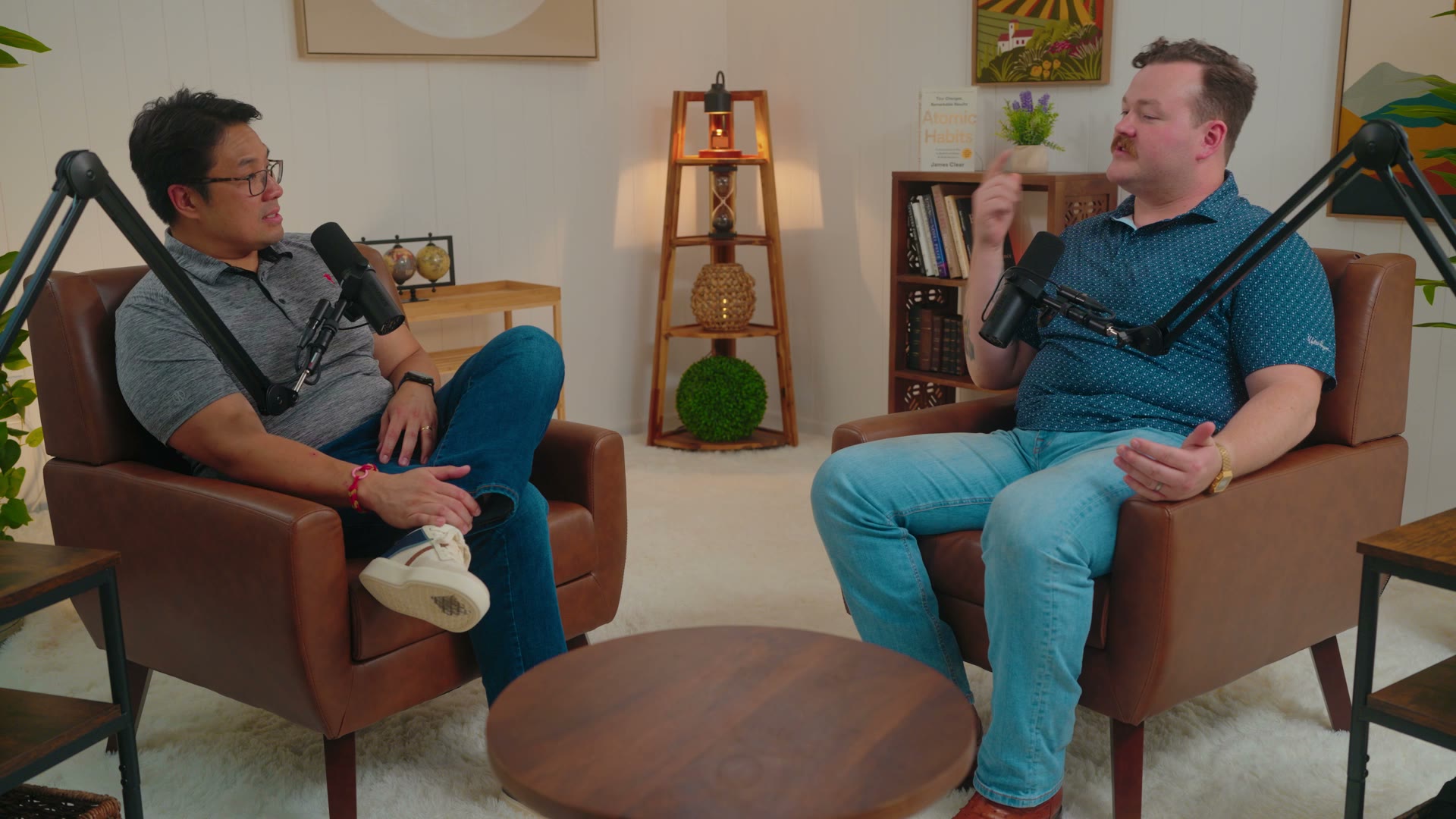
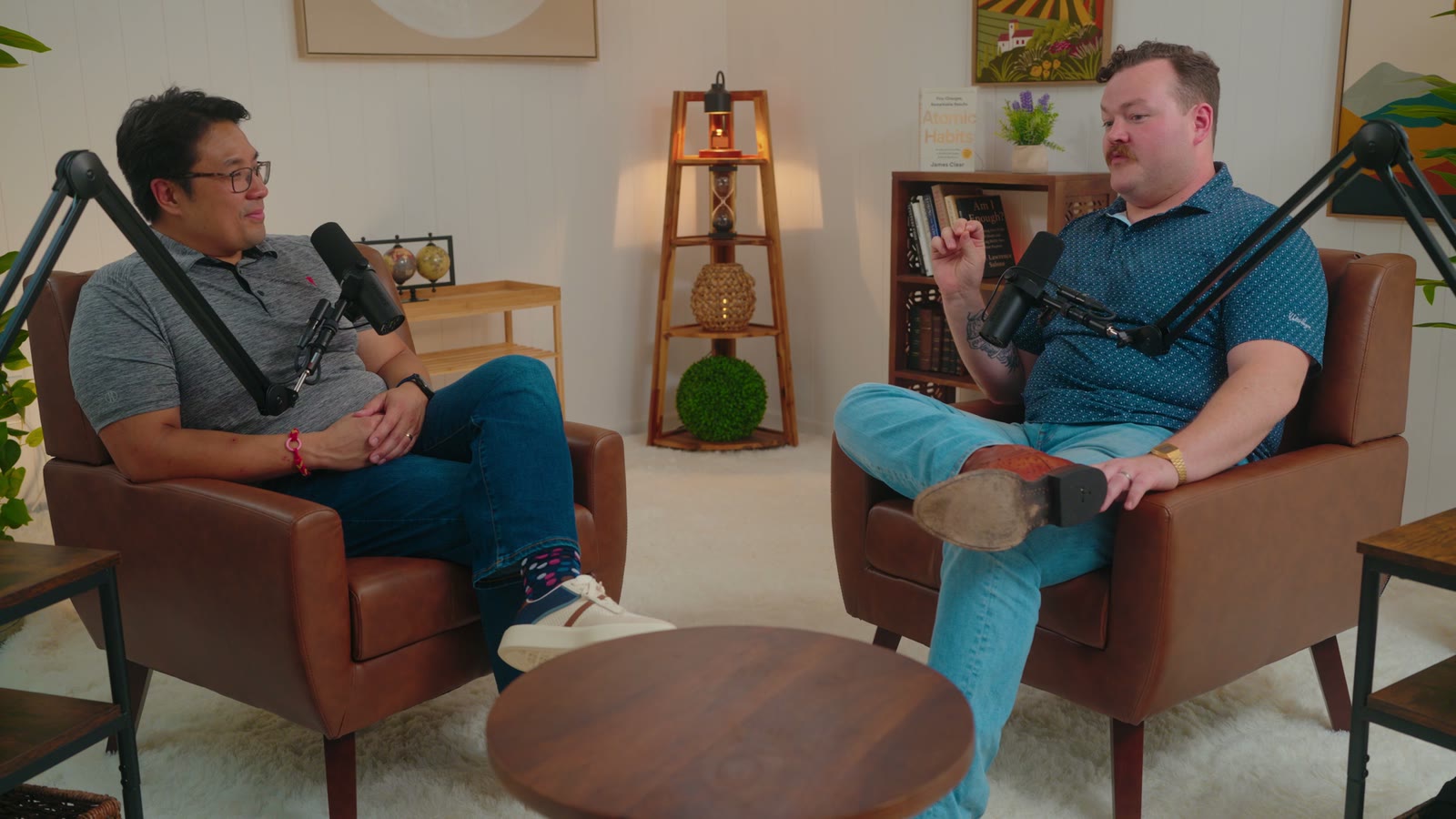
Watch Inside Louisiana’s Wine World with Benjamin Hatch of Select Wines on Dear Louisiana’s YouTube channel.
The conversation was hosted by Dear Louisiana’s JP Ngo, also of Our Mom’s Restaurant & Bar, a Louisiana restaurant with locations in Baton Rouge and Hammond.
Explore the distributor’s domestic wines, international wines, spirits and contact information at Select Wines.